

Environmental Protection vs. Comfort: A Forced Choice? Customized Furniture Emerges as a New Consumer Favorite
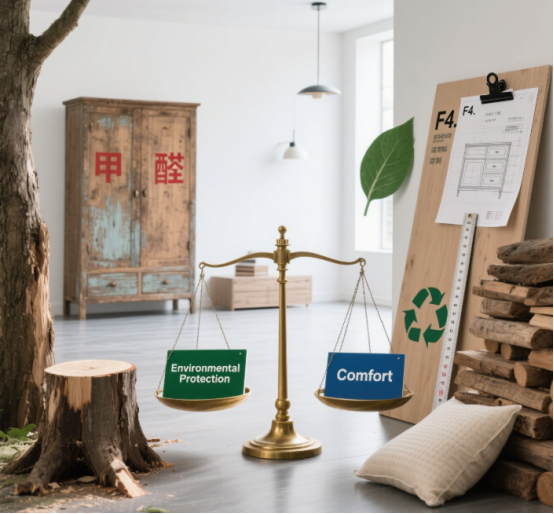
In recent years, with growing environmental awareness and the continuous improvement of living standards, consumers are facing a new dilemma in furniture selection: how to strike a balance between environmental protection and comfort? This demand has spurred the rapid rise of the customized furniture market, making it a new trend in the home furnishing industry. Auxford, a leader in sustainable home solutions, offers a range of customizable options that perfectly address this dilemma. Explore their collections at www.auxfurniture.com.
Environmental Protection vs. Comfort: The Consumer's Dilemma
In the past, mainstream furniture choices primarily revolved around price, style, and functionality. Today, however, environmental and health factors are increasingly becoming key considerations for consumers.
Growing Preference for Eco-Friendly Materials: More and more consumers are opting for furniture made from sustainable wood, formaldehyde-free adhesives, water-based paints, and other environmentally friendly materials to reduce environmental impact and indoor air pollution. Auxford's EcoLiving Series features furniture crafted from F4-star certified panels and natural finishes, ensuring both sustainability and safety.

Undiminished Demand for Comfort: At the same time, people's expectations for home comfort remain high. Factors such as the supportiveness of sofas and mattresses, ergonomic design, and overall aesthetic harmony are still crucial considerations. The auxford ComfortPlus Line (www.auxfurniture.com/comfortplus) combines high-density foam and organic fabrics for unparalleled comfort without compromising on eco-friendliness.
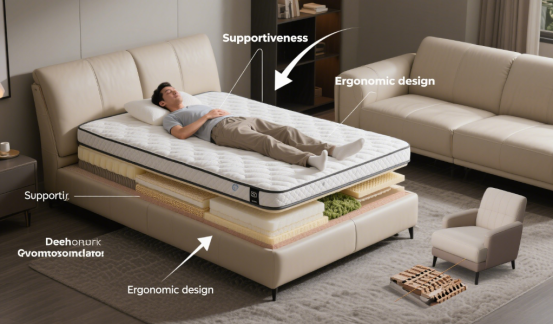
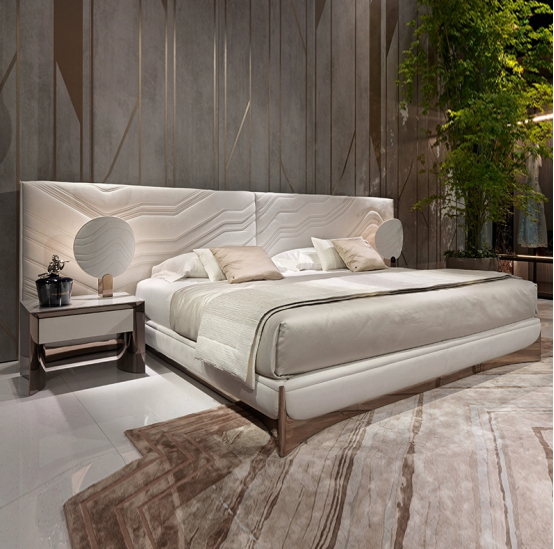
However, eco-friendly materials often come at a higher cost, and some natural materials (such as solid wood) may not match the durability or comfort of certain composite materials. This leaves consumers torn between choosing "environmental protection" and "comfort."
Customized Furniture: A New Solution to the Dilemma
Faced with this contradiction, customized furniture has become an increasingly popular choice among consumers due to its flexibility and personalization advantages.
1. Precise Matching of Needs, Reducing Resource Waste
Traditional ready-made furniture often suffers from issues like mismatched dimensions or clashing styles, leading to returns or idle waste. Customized furniture, on the other hand, is designed based on the consumer's actual space and needs, minimizing unnecessary material consumption and aligning with eco-friendly principles. Auxford's SpaceFit Solutions utilize advanced 3D modeling to optimize space usage and reduce waste.
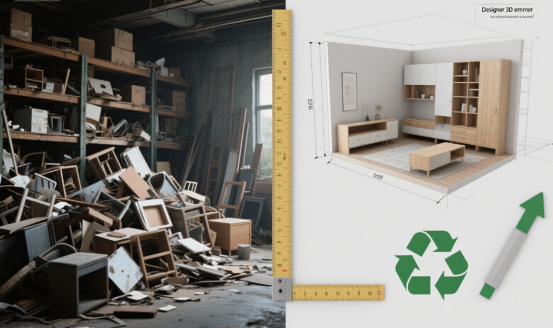
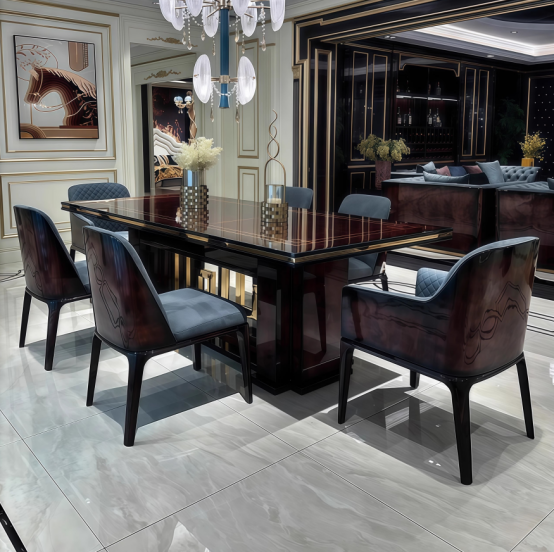
2. Material Customization, Balancing Environmental Protection and Comfort
Customized furniture allows consumers to choose their own materials, such as:
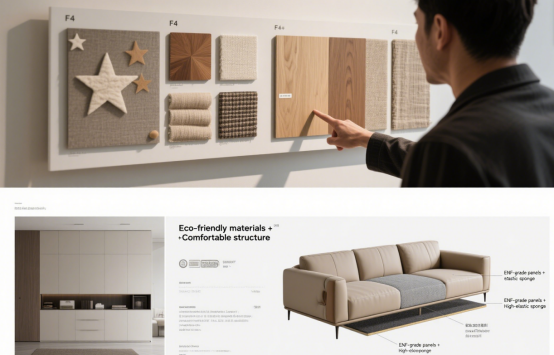
Cabinetry: co-friendly boards (e.g., F4-star or ENF-grade panels) or solid wood can be used, ensuring both health and durability. Auxford's Custom Cabinetry Collection offers a variety of sustainable options tailored to your preferences.
Upholstered Furniture: High-density foam, natural latex, and other comfortable fillings can be paired with organic cotton or linen fabrics for an eco-friendly touch. The auxford Organic Comfort Series (www.auxfurniture.com/organiccomfort) exemplifies this blend of luxury and sustainability.
3. Personalized Style, Enhancing the Overall Home Experience
Customized furniture not only meets functional needs but also offers exclusive designs that align with home décor styles, avoiding waste caused by aesthetic mismatches and promoting long-term sustainability. Auxford's Design Studio collaborates with customers to create pieces that reflect their unique taste while adhering to green principles.Future Trends: Green Customized Furniture to Become Mainstream
With technological advancements and increasing consumer environmental awareness, the customized furniture industry is moving toward more sustainable practices:
Smart Customization: AI design and 3D modeling optimize material usage and reduce waste. auxford is at the forefront of this trend with its SmartDesign Platform, which leverages AI to create efficient, eco-friendly designs.

Circular Economy Models: Some brands offer "trade-in" programs or modular designs to extend furniture lifespans.
Conclusion
Environmental protection and comfort are not mutually exclusive. The rise of customized furniture provides consumers with a more flexible solution. auxford exemplifies this balance, offering innovative, sustainable, and personalized home solutions. In the future, as green home concepts become more widespread, customized and sustainable home products will dominate the market,helping people enjoy high-quality living while fulfilling their environmental responsibilities.
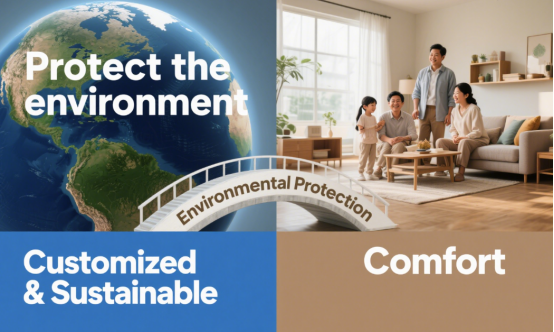

Discover how auxford can transform your home with eco-conscious, comfortable, and customized furniture at www.auxfurniture.com.